

Blog
Best Hay for Cattle: How to Choose the Right Hay for Beef and Dairy Cattle

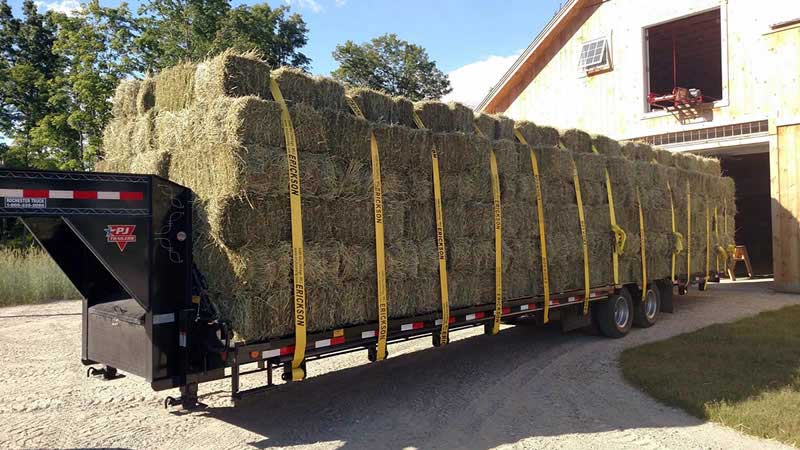
Choosing the best hay for cattle is an important decision for any livestock operation. Hay can represent a significant portion of a cattle producer’s annual feed costs, and the right forage can help support animal health, growth, body condition and overall herd performance.
But there is no single type of hay that is automatically best for every animal.
A mature beef cow, a growing calf, a replacement heifer and a lactating dairy cow can have very different nutritional requirements. The best hay is therefore the forage that provides the nutrients your cattle need while fitting your feeding system and budget.
Mayford Hay supplies a broad range of forage products, including Alfalfa Hay, Alfalfa/Grass Mix Hay, Brome Grass Hay, Coastal Bermuda Hay, Corn Stalk Hay, Millet Hay, Oat Hay, Prairie/Meadow Grass Hay, Sorghum Hay and Wheat Hay. The company also supplies cattle feed, young cattle and fertilizer products.
What Makes Good Hay for Cattle?
Good cattle hay should be clean, appropriately cured, properly stored and suitable for the animals being fed.
When evaluating hay, producers should consider:
- Forage species
- Maturity at harvest
- Protein and energy levels
- Fiber
- Leaf retention
- Moisture
- Color
- Smell
- Presence of mold
- Weed contamination
- Storage conditions
- Bale size and handling requirements
Appearance can provide useful clues, but it does not tell the whole story. A forage analysis can provide much more useful information when precise nutritional values are important.
Alfalfa Hay for Cattle
Alfalfa Hay is one of the most widely recognized high-quality forage options for livestock.
As a legume forage, alfalfa can provide substantial protein and mineral value. This can make it useful for animals with relatively high nutritional requirements.
However, higher-protein hay is not automatically the right choice for every cow or herd.
A mature beef cow in a maintenance period may not require the same nutrient density as a growing calf or lactating dairy animal.
The important question is not simply, “What is the highest-quality hay I can buy?”
It is:
“What forage best matches the nutritional requirements of my cattle?”
Alfalfa/Grass Mix Hay
For producers looking for a forage option between pure alfalfa and grass hay, an Alfalfa/Grass Mix Hay can be worth considering.
Mixed forage can combine characteristics of legume and grass forages, making it useful in feeding programs where producers want to balance forage quality and fiber.
As with any hay, the actual nutritional value depends on plant maturity, harvest conditions, storage and other production factors.
Grass Hay for Cattle
Grass hay can be an excellent part of a cattle feeding program.
Mayford Hay offers several grass-based forage options, including Brome Grass Hay, Coastal Bermuda Hay, and Prairie/Meadow Grass Hay.
Grass species differ in nutritional characteristics, maturity and typical applications, so cattle producers should evaluate each forage according to the needs of their herd.
Coastal Bermuda Hay for Cattle
Coastal Bermuda is a popular grass forage option and is included in Mayford Hay’s livestock hay range.
The current Coastal Bermuda product listing identifies it as cow hay and provides bale options for buyers. View Coastal Bermuda Hay.
For cattle producers looking for a grass-based forage, Bermuda hay may fit into a variety of feeding systems depending on forage quality and animal requirements.
What Is the Best Hay for Beef Cattle?
There is no universal answer.
For mature beef cattle, a good-quality grass hay may provide adequate nutrition during maintenance periods when pasture is limited or unavailable.
Growing calves and replacement heifers may require higher-quality forage because they are still developing.
This is why producers should consider the animal’s:
- Age
- Weight
- Growth rate
- Pregnancy status
- Lactation status
- Body condition
- Other feed sources
before choosing hay.
Hay for Calves and Young Cattle
Young cattle have different nutritional requirements from mature animals.
Growing animals need adequate nutrients to support muscle development, skeletal development and consistent growth.
Forage can form an important part of that feeding program, but it should be considered alongside the rest of the diet.
Mayford Hay also offers young cattle and replacement cattle, including Wagyu young virgin bulls, Angus open replacement heifers and bred heifers.
Producers purchasing young cattle should therefore consider both the animals and the forage supply they will require after arrival.
Oat Hay, Sorghum Hay and Wheat Hay
Cattle producers should not assume that all hay is interchangeable.
Mayford’s catalog includes Oat Hay, Sorghum Hay and Wheat Hay in addition to traditional grass and alfalfa options.
These forage choices can provide producers with alternatives depending on availability, season, livestock requirements and feeding objectives.
How Hay Quality Affects Feeding Costs
The cheapest bale is not always the cheapest feed.
Suppose one forage provides substantially more usable nutrition than another. The lower-priced bale may require greater intake or additional supplementation to meet the animal’s nutritional needs.
For that reason, producers should compare hay based on its nutritional value and delivered cost, not simply the sticker price.
Transportation is particularly important for large hay purchases.
Bale Size Matters
The appropriate bale size depends on the operation.
Small bales can be easier to handle on smaller farms, while large round or square bales may be more practical for commercial cattle operations with appropriate handling equipment.
Mayford Hay states that it offers small bales, large bales and compressed bales for different operations.
Before ordering large quantities, make sure the bale format is compatible with your equipment and storage facilities.
How Should Hay Be Stored?
Good hay can lose value if it is poorly stored.
Whenever possible, protect hay from:
- Rain
- Ground moisture
- Excessive humidity
- Poor ventilation
- Pest damage
- Prolonged weather exposure
Mayford states that its hay is stored according to grade, type and bale size to help preserve product quality.
Farmers should also inspect their own stored hay regularly and rotate inventory appropriately.
Buying Hay for Your Cattle Operation
Before placing a hay order, determine:
- Which animals will be fed?
- What is their nutritional requirement?
- What type of forage best fits the ration?
- How much hay will be needed?
- What bale size can your equipment handle?
- How will the hay be stored?
- What is the delivered cost?
These questions can prevent expensive purchasing mistakes.
Final Thoughts
The best hay for cattle is not necessarily the most expensive hay or the forage with the highest protein content.
It is the forage that fits the nutritional requirements of your animals, your feeding system, your storage capacity and your budget.
Mayford Hay offers a broad selection of hay products, including alfalfa, alfalfa/grass mix, Brome, Coastal Bermuda, corn stalk, millet, oat, prairie/meadow grass, sorghum and wheat hay.
Explore Mayford Hay’s complete product catalog to compare available forage, cattle and fertilizer products.