
Blog
Feeding Young Cattle: A Practical Guide to Hay, Forage and Healthy Growth

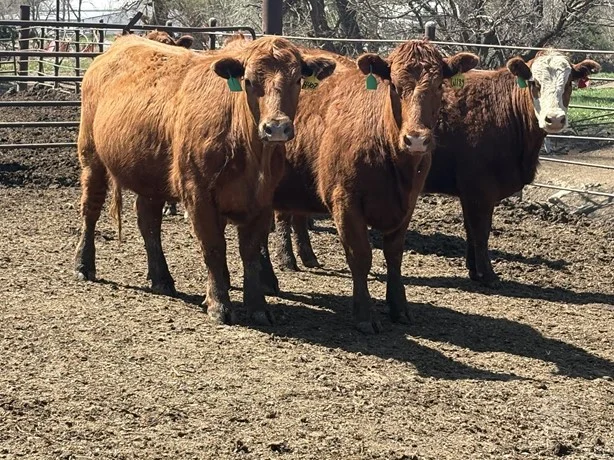
Feeding young cattle requires careful attention to nutrition, forage quality, water, growth and overall herd management.
Calves and young cattle are developing rapidly, so their nutritional requirements are different from those of mature animals.
For farmers raising calves, purchasing replacement heifers or expanding a cattle herd, choosing appropriate hay is an important part of the feeding strategy.
Mayford Hay supplies both livestock forage and young cattle, making its product range relevant to producers managing growing animals. Its current catalog includes Wagyu young virgin bulls, Angus replacement heifers, bred heifers and other cattle products.
Why Young Cattle Need the Right Nutrition
Growing cattle need nutrients to support:
- Muscle development
- Skeletal development
- Healthy growth
- Body condition
- Digestive development
- Normal immune function
Their nutritional requirements change as they grow.
A feeding program that works for a mature cow may not be appropriate for a rapidly growing calf.
When Do Calves Begin Eating Hay?
Calves can begin investigating and consuming forage relatively early, although the amount they eat increases as they mature.
Introducing appropriate solid feed allows young animals to become accustomed to feeds beyond milk.
The quality of the forage matters.
Young animals have nutritional requirements that make low-quality, overly mature or poorly stored hay a less attractive choice when growth is the objective.
What Is the Best Hay for Calves?
There is no single hay that is best for every calf.
The appropriate forage depends on:
- Age
- Weight
- Breed
- Growth target
- Existing diet
- Forage quality
- Management system
High-quality alfalfa can be useful when additional protein and nutrient density are required.
Good-quality grass hay can also be valuable as part of a balanced feeding program.
Alfalfa Hay for Young Cattle
Alfalfa Hay is a nutrient-dense legume forage that can be incorporated into feeding programs for growing livestock.
Because young cattle are developing rapidly, higher-quality forage can be useful when it fits the overall diet.
However, alfalfa should not be viewed as a complete feeding program by itself.
Energy, minerals, water and other dietary requirements still need to be considered.
Alfalfa/Grass Mix Hay
An Alfalfa/Grass Mix Hay can provide another forage option for producers raising young cattle.
Mixed forage may provide a balance between legume and grass characteristics, depending on the quality and composition of the particular hay.
As always, producers should evaluate the actual forage rather than relying solely on the product name.
Grass Hay for Growing Cattle
Grass hay can also play an important role in a young-cattle feeding program.
Mayford offers several grass-based options, including Brome Grass Hay, Coastal Bermuda Hay and Prairie/Meadow Grass Hay.
The key consideration is whether the forage provides enough nutritional value for the animal’s growth stage.
Hay Is Only One Part of the Diet
Young cattle need a balanced diet.
Depending on the production system, that diet may include:
- Hay
- Pasture
- Concentrates
- Cattle feed
- Minerals
- Salt
- Clean water
The correct combination depends on the animal and production objective.
Producers managing high-value or rapidly growing cattle should consider working with a qualified livestock nutrition professional when formulating detailed rations.
Clean Water Is Essential
Water is one of the most important components of livestock nutrition.
Young cattle should have access to clean, suitable drinking water.
Water troughs should be inspected and cleaned regularly.
Poor water availability can affect feed intake and animal performance.
Weaning Is a Major Transition
Weaning represents a significant nutritional and management change.
Calves are moving away from milk dependence and toward a diet based increasingly on forage and other feeds.
Sudden changes can add unnecessary stress.
Where possible, producers should make feeding transitions carefully and monitor animals closely during the process.
Replacement Heifers Need Consistent Growth
Replacement heifers are particularly important because they represent the future breeding potential of the herd.
Their feeding program should support appropriate development.
The goal is not simply maximum weight at the earliest possible age.
Instead, producers should aim for healthy, consistent growth appropriate for the animal’s breed and production objectives.
Mayford currently lists 30 Angus – Open Replacement Heifers and 75 Purebred Red Angus, Red Baldy – Bred Heifers among its cattle products.
Young Wagyu Cattle
Mayford also lists 10 Wagyu Young Virgin Bulls and an FB Wagyu Registered Bull among its cattle products.
Producers considering young or breeding cattle should evaluate not only the animal itself but also the nutrition and management system available after purchase.
Bulk Cattle Feed
Hay is only one part of a young-cattle feeding program.
Mayford’s catalog also includes Bulk Cattle Feed, #0314, providing another product option for cattle operations.
When combining hay and cattle feed, producers should consider the total nutritional contribution of the ration rather than evaluating individual products in isolation.
How Much Hay Should Young Cattle Eat?
There is no universal amount that applies to every calf.
Hay intake depends on:
- Body weight
- Age
- Forage quality
- Other feed
- Growth target
- Environmental conditions
Instead of relying on a generic bale-per-calf calculation, monitor actual intake and animal performance.
If cattle are not growing as expected, review the entire feeding program.
Signs That a Feeding Program Needs Attention
Producers should regularly observe young cattle for changes in:
- Growth
- Body condition
- Feed intake
- Behavior
- Coat condition
- Competition around feeders
- Digestive health
Poor performance can have many causes, so producers should investigate nutrition, health, housing, management and other factors rather than assuming that the hay alone is responsible.
Questions to Ask When Buying Hay for Young Cattle
Before ordering hay, ask:
What type of hay is it?
Know whether you are buying alfalfa, grass, mixed forage or another type.
What is the bale size?
Make sure your equipment can handle it.
How was the hay stored?
Poor storage can reduce forage quality.
Is forage analysis available?
A laboratory analysis can provide useful nutritional information.
What quantity is available?
Young cattle need a consistent supply.
What is the delivered cost?
Transportation can have a major effect on large hay purchases.
Planning the Feed Supply Before Buying Cattle
One of the smartest things a livestock producer can do is calculate the feed requirement before bringing additional cattle onto the farm.
Estimate:
- Number of animals
- Expected feeding period
- Hay requirements
- Other feed requirements
- Storage capacity
- Water availability
- Handling equipment
This is especially important when purchasing young cattle in groups.
Mayford offers both cattle and forage products, allowing producers to consider their livestock and feed requirements together.
Final Thoughts
Successful young-cattle production depends on more than simply providing feed.
Growing cattle need appropriate nutrition, clean water, good forage, consistent management and careful monitoring.
High-quality alfalfa, suitable grass hay and mixed forage can all have a place in a young-cattle feeding program when they are matched appropriately to the animal and the rest of the diet.
Mayford Hay offers a broad selection of hay, cattle feed and young cattle products, including Alfalfa Hay, Coastal Bermuda Hay and a range of young and breeding cattle.
Browse Mayford Hay’s complete product catalog to explore the current selection of hay, fertilizer, cattle feed and livestock products.