Bright Wheat Straw
Bright Wheat Straw in Large Square Bales
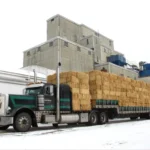
Bright Wheat Straw in Large Square Bales has a variety of uses but is primarily used for feed and bedding on dairy farms. It is also used for horse and other animal bedding. The straw is clean and bright being free of any mold or dust. It comes in several size bales but primarily in 3x4x8 1000lb. It is available in processed, medium or long lengths depending on the use and customer preferences. Bright Wheat Straw
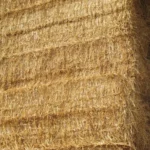
Bright Wheat Straw in 2 String Bales
Bright Wheat Straw in 2 String Bales has a variety of uses but is primarily used as bedding for horses. The long clean fibers create a fluffy bedding for mares and babies and is also used for horses, calves https://www.ranchworldads.com/ or other animals that may be allergic to wood shavings. The straw comes apart, bales pop and shakes out very well. The bales weigh around 48lb and are tight and dense. Other uses for this type of straw include decorations, mulching and seeding.
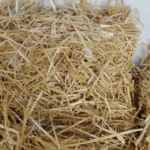
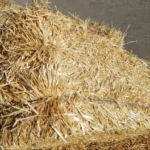
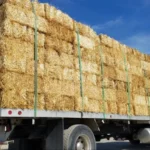
Bright Wheat Straw
Bright Wheat Straw is a practical agricultural product valued for livestock bedding, farm management and other commercial uses. Clean, dry wheat straw can provide a useful source of absorbent bedding material, helping create a more comfortable resting environment for cattle, horses, calves and other livestock.
The quality of baled straw depends on harvesting conditions, moisture, storage, cleanliness and handling. Buyers looking for commercial quantities should consider bale condition, consistency, dryness and freedom from excessive dust, mold, soil and foreign materials before purchasing.
Bright Wheat Straw
Wheat straw is widely used as livestock bedding because of its physical characteristics and availability. Penn State Extension identifies wheat straw as a commonly used bedding material and reports that dry wheat straw can absorb approximately 2.2 pounds of water per pound of bedding under the referenced conditions.
For livestock producers, appropriate bedding management can contribute to a cleaner and more comfortable housing environment. University of Minnesota Extension notes that dry, well-managed bedding can provide cushioning, absorb moisture and help calves remain clean.
The bright appearance of straw can be an attractive characteristic when evaluating a bale, but visual quality should not be the only consideration. Storage conditions are equally important. Bales exposed to excessive rain or ground moisture may deteriorate, while poorly ventilated storage can increase quality concerns.
Commercial buyers should inspect bales for moisture, mold, unusual odors and excessive foreign material. Bale dimensions and weight should also be confirmed because actual quantities can vary according to baling equipment, crop conditions and density.
Livestock Bedding
Wheat straw can be used in cattle housing, calf pens, horse facilities and other livestock environments. In dairy operations, straw is commonly used for young-stock bedding because of its absorbency and insulating properties.
Good bedding management involves maintaining an adequately dry resting area and replacing or refreshing material when it becomes wet or heavily soiled. The required quantity depends on housing design, animal numbers, weather and management practices.
Farm and Agricultural Uses
Beyond livestock housing, wheat straw has value as an agricultural residue. It can contribute organic material to farming systems when incorporated or managed appropriately. However, removing straw from fields also removes nutrients and carbon, so producers should consider soil-management objectives when deciding whether to sell or retain crop residue.
For commercial purchasers, Bright Wheat Straw can offer a practical solution for farms requiring dependable bedding material in larger quantities. Buyers should confirm bale size, quantity, moisture condition, storage history and delivery arrangements before ordering.
Whether used for animal bedding or another approved agricultural purpose, selecting clean, properly stored straw can help improve handling efficiency and reduce avoidable material losses. For feed applications, however, straw should not automatically be treated as a nutritionally complete forage; forage analysis and professional feeding guidance should be used to determine suitability for livestock diets. Follow Us On Facebook