

Blog
Fertilizer NPK Numbers Explained: Understanding Nitrogen, Phosphorus and Potassium

If you’ve ever looked at a fertilizer bag and wondered what numbers such as 19-19-19, 18-46-0, 0-45-0 or 20-10-10 actually mean, you’re not alone.
Understanding fertilizer NPK numbers is one of the most useful skills for farmers, ranchers, gardeners and agricultural professionals purchasing fertilizer.
The three numbers printed on a conventional fertilizer label represent the percentages by weight of three primary plant nutrients:
Nitrogen – Phosphorus – Potassium
These nutrients are commonly abbreviated as N-P-K.
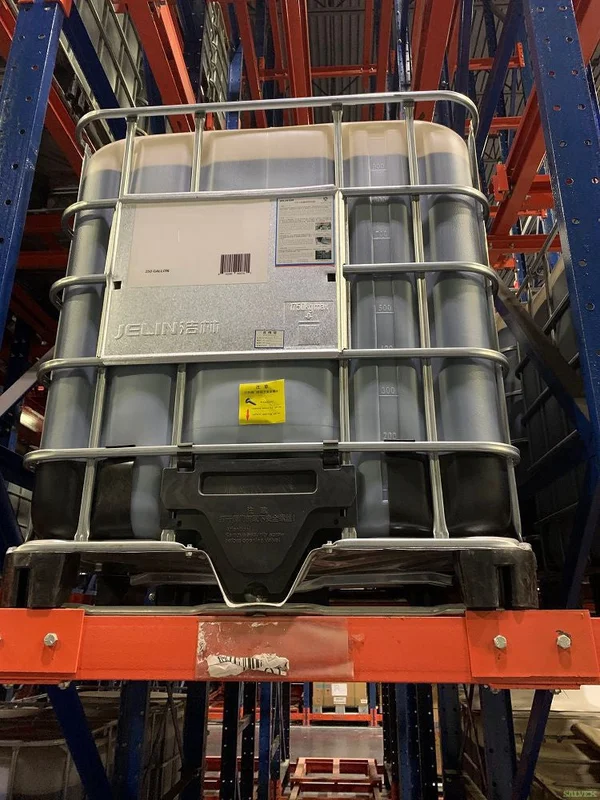
Mayford Hay supplies several fertilizer formulations, including 0-45-0 Triple Superphosphate, 18-46-0 DAP, 19-19-19, 20-10-10, 4-0-8 liquid fertilizer, slow-release formulations and UAN liquid nitrogen fertilizer.
What Do the Three Fertilizer Numbers Mean?
Take a fertilizer labeled:
19-19-19
The first number represents nitrogen.
The second represents available phosphate expressed according to conventional fertilizer labeling.
The third represents potash expressed according to conventional fertilizer labeling.
Therefore, a 19-19-19 fertilizer contains equal percentage analyses of these three labeled nutrients.
It does not mean that the fertilizer contains 19% elemental nitrogen, 19% elemental phosphorus and 19% elemental potassium.
Fertilizer labels use standardized conventions for reporting these nutrients.
What Does the First Number Mean?
The first number represents nitrogen (N).
Nitrogen is an essential plant nutrient and is strongly associated with vegetative growth.
Nitrogen management can be particularly important in forage and grass production, where adequate nitrogen availability can influence plant growth and yield.
Mayford offers UAN Liquid Nitrogen Fertilizer as part of its fertilizer range.
The correct nitrogen rate depends on the crop, soil, yield target and management system.
What Does the Second Number Mean?
The second number represents phosphate (P₂O₅) under conventional fertilizer labeling.
Phosphorus plays important roles in plant energy transfer and development.
When soil tests indicate a phosphorus requirement, producers may select a fertilizer with a significant phosphorus component.
Mayford offers 0-45-0 Triple Superphosphate, which is specifically a phosphorus-focused fertilizer formulation.
What Does the Third Number Mean?
The third number represents potash (K₂O) under conventional fertilizer labeling.
Potassium is another major plant nutrient and is involved in several important plant processes.
A fertilizer with a third number of zero does not supply potassium according to its guaranteed analysis.
What Does 0-45-0 Mean?
A fertilizer labeled 0-45-0 contains:
- 0% nitrogen
- 45% phosphate
- 0% potash
This is the analysis associated with Triple Superphosphate (TSP).
Mayford supplies 0-45-0 Triple Superphosphate in a ton sack for agricultural applications where phosphorus is required without simultaneously supplying nitrogen or potassium.
What Does 18-46-0 Mean?
An 18-46-0 fertilizer provides nitrogen and phosphate but no potash according to its guaranteed analysis.
One common fertilizer with this analysis is DAP, or diammonium phosphate.
Mayford’s catalog includes 18-46-0 DAP in a Ton Sack.
DAP can be useful in fertility programs where both nitrogen and phosphorus are needed.
As with other fertilizers, the appropriate application should be based on crop requirements, soil testing and applicable agronomic recommendations.
What Does 19-19-19 Mean?
19-19-19 fertilizer is a balanced NPK formulation in which the three labeled nutrients are present at the same percentage analysis.
Mayford offers 19-19-19 Fertilizer in a Ton Sack.
A balanced fertilizer may be appropriate for situations where soil and crop requirements call for all three primary nutrients.
However, balanced does not automatically mean better.
If a soil already contains adequate phosphorus or potassium, applying more simply because the fertilizer contains all three nutrients may not be the most efficient strategy.
What Does 20-10-10 Mean?
A 20-10-10 fertilizer contains a higher first number than the second and third numbers.
This means it provides a greater proportion of nitrogen in its labeled analysis compared with phosphate and potash.
Mayford’s catalog includes 20-10-10 Fertilizer in a Ton Sack.
The appropriate use of such a formulation depends on the soil and crop requirements.
Why Soil Testing Matters
Choosing fertilizer based solely on the numbers on the bag can lead to poor nutrient management.
A soil test provides information about nutrient availability and soil conditions.
With a soil test, producers can make more informed decisions about:
- Nitrogen
- Phosphorus
- Potassium
- Soil pH
- Liming requirements
- Nutrient deficiencies
- Long-term fertility
This is particularly important for hay fields because repeated harvesting removes nutrients from the field.
Fertilizer for Hay Production
Hay production creates a unique nutrient-management consideration.
When livestock graze a field, some nutrients are returned through manure and urine.
When forage is harvested and removed as hay, nutrients leave the field with the crop.
Over time, repeated hay removal can contribute to nutrient depletion if fertility is not properly managed.
That is why soil testing and appropriate fertilizer applications are important components of sustainable forage production.
Granular vs Liquid Fertilizer
Fertilizers come in different physical forms.
Mayford’s catalog includes both granular/ton-sack products and liquid fertilizer options.
The right format depends on:
- Available equipment
- Storage
- Application method
- Field size
- Labor
- Product requirements
- Agronomic recommendations
A liquid fertilizer isn’t automatically better than a granular fertilizer, and vice versa.
What Is Slow-Release Fertilizer?
Mayford also lists slow-release fertilizer products, including 14-14-14 and 15-9-12 formulations described for a 3–4 month release period.
Slow-release fertilizers are designed to make nutrients available over a longer period rather than releasing all nutrients immediately.
The actual release behavior depends on the product and environmental conditions.
Always follow the manufacturer’s application instructions.
Fertilizer Application Rates Matter
The fertilizer analysis tells you what is in the product.
It does not automatically tell you how much you should apply.
Application rates depend on:
- Soil test results
- Crop
- Yield target
- Existing nutrient levels
- Previous applications
- Manure
- Irrigation
- Environmental conditions
Applying more fertilizer does not necessarily produce better results.
Don’t Confuse Fertilizer Concentration With Application Rate
Suppose one fertilizer contains more nitrogen than another.
That doesn’t mean you should automatically apply the same number of pounds of both products.
Instead, application rates should be calculated based on the amount of nutrient required.
This is why understanding fertilizer analysis is so useful.
Comparing Fertilizer Products
When comparing fertilizers, look at the complete analysis rather than just one number.
For example:
0-45-0
is primarily a phosphorus fertilizer.
18-46-0
supplies nitrogen and phosphorus.
19-19-19
supplies nitrogen, phosphorus and potassium in equal labeled percentages.
20-10-10
contains a higher nitrogen proportion relative to the other two nutrients.
Each can have a different role in a fertility program.
Choosing the Right Fertilizer
The right fertilizer is determined by the relationship between:
Soil needs + crop requirements + yield goals + fertilizer analysis
rather than by choosing the product with the biggest numbers.
For farmers producing hay, pasture or other agricultural crops, a soil test is one of the best starting points for making fertilizer decisions.
Final Thoughts
Understanding fertilizer NPK numbers makes it much easier to compare agricultural fertilizer products.
The first number represents nitrogen, the second represents phosphate, and the third represents potash under conventional fertilizer labeling.
Mayford Hay supplies a range of fertilizer formulations, including 0-45-0 Triple Superphosphate, 18-46-0 DAP, 19-19-19, 20-10-10, liquid fertilizers and slow-release products.
Browse Mayford Hay’s fertilizer and agricultural products to see the current product selection.