

Blog
Buying Cattle: How to Choose Bulls, Heifers and Breeding Cattle

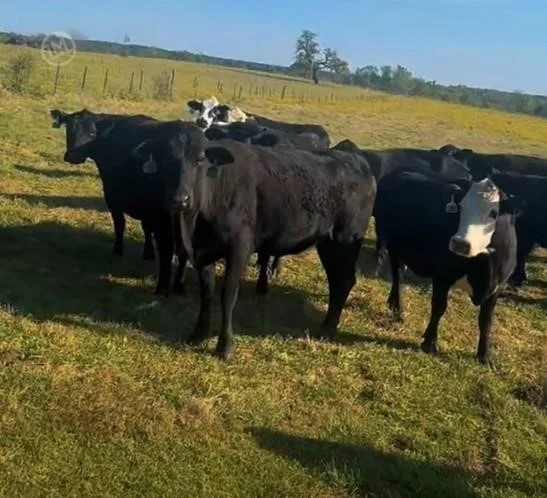
Buying cattle is a significant decision for any livestock operation.
Whether you are purchasing a young bull, replacement heifers, bred heifers or cattle to expand an existing herd, the animals you select can influence the productivity and economics of your operation for years.
The right purchase therefore involves more than simply finding cattle at an attractive price.
Buyers should consider the animal’s purpose, breed, age, condition, reproductive status, health history, genetics, management requirements and suitability for their operation.
Mayford Hay supplies cattle alongside hay, cattle feed and agricultural products, with its current catalog including young Wagyu bulls, Angus replacement heifers, bred heifers, cows and a registered Wagyu bull.
Start With Your Cattle Operation’s Goal
Before looking at individual animals, decide what you are trying to accomplish.
Are you:
- Expanding your cow herd?
- Replacing older cows?
- Purchasing breeding bulls?
- Developing replacement heifers?
- Producing feeder cattle?
- Adding a different breed?
- Introducing new genetics?
Your objective determines what type of cattle you should purchase.
Buying a bull when your immediate requirement is replacement heifers, for example, does not solve the same production need.
Buying Replacement Heifers
Replacement heifers are young female cattle selected to eventually enter the breeding herd.
They represent an important investment because their future reproductive and production performance can influence the herd for multiple years.
When evaluating replacement heifers, consider:
- Breed
- Age
- Size
- Structural soundness
- Body condition
- Growth
- Temperament
- Reproductive development
- Health history
- Vaccination records
- Genetic background
A good replacement heifer should fit your breeding and management objectives.
Open vs Bred Heifers
One of the important distinctions when buying heifers is whether they are open or bred.
An open heifer has not been confirmed pregnant.
A bred heifer has been successfully bred and is carrying a pregnancy.
Mayford’s catalog includes 30 Angus – Open Replacement Heifers as well as 75 Purebred Red Angus, Red Baldy – Bred Heifers.
The choice between open and bred animals depends on your management system, breeding schedule, budget and herd objectives.
Why Breed Matters
Different cattle breeds and genetics can be selected for different production goals.
Angus, Red Angus, Wagyu, Brangus and other cattle can bring different genetic characteristics to a herd.
However, breed name alone should not determine a purchase.
The individual animal and its genetics should be considered within the context of your production system.
Buying Young Bulls
A breeding bull can have a substantial genetic influence on the next generation.
This makes bull selection particularly important.
When evaluating a young bull, consider:
- Structural soundness
- Feet and legs
- Body condition
- Scrotal development
- Age
- Growth
- Breed
- Genetic information
- Temperament
- Health history
- Intended breeding environment
The bull should be physically capable of performing the job expected of him.
Young Wagyu Bulls
Mayford currently lists 10 Wagyu Young Virgin Bulls among its cattle products.
Wagyu genetics can be attractive to producers interested in incorporating Wagyu characteristics into their breeding programs.
However, buyers should evaluate the animals according to their own production goals and ask for appropriate information before making a purchase.
Registered Bulls
Registered cattle can provide buyers with additional pedigree and genetic information, depending on the registration and records supplied.
Mayford also lists an FB Wagyu Registered Bull in its cattle catalog.
When purchasing registered breeding stock, ask about the registration organization, pedigree, performance information and documentation that accompanies the animal.
Structural Soundness Matters
A beautiful animal is not necessarily a functional breeding animal.
Look carefully at:
- Feet
- Pasterns
- Legs
- Hip structure
- Back
- Movement
Structural problems can become increasingly important as an animal ages or is placed under breeding pressure.
For bulls in particular, sound feet and legs are important because the animal needs to move effectively and service females.
Body Condition
Body condition provides useful information about an animal’s current nutritional status.
Extremely thin cattle may require additional management before reaching their intended production role.
Over-conditioned animals can also present management challenges.
The ideal condition depends on the animal’s purpose and stage of production.
Health Records
When buying cattle, ask what health procedures have been performed.
Depending on the operation and animal, this can include information about:
- Vaccinations
- Deworming
- Disease testing
- Reproductive examinations
- Veterinary checks
- Previous treatments
Buyers should request documentation where applicable and discuss health requirements with their veterinarian.
Reproductive Status
Reproductive status is particularly important when purchasing breeding cattle.
For heifers, buyers should establish whether the animals are open or bred and, where applicable, obtain information about pregnancy status and expected calving timing.
For bulls, a breeding soundness evaluation may be appropriate before the breeding season.
The specific requirements depend on the animal, operation and veterinary recommendations.
Temperament Matters
Cattle handling becomes easier when animals are calm and manageable.
Temperament can influence:
- Worker safety
- Handling time
- Stress
- Transportation
- Veterinary procedures
- Overall management
Although temperament can have genetic and environmental components, buyers should observe cattle whenever possible before purchase.
Don’t Forget Feed Requirements
Buying cattle is only the beginning.
Every additional animal increases the demand for:
- Hay
- Pasture
- Water
- Minerals
- Feed
- Shelter
- Handling capacity
This is particularly important when purchasing cattle during periods when pasture availability is limited.
Mayford supplies both cattle and forage products, including Alfalfa Hay, Coastal Bermuda Hay and other hay varieties.
Planning your feed supply before buying cattle can help prevent unexpected costs.
Calculate the Total Cost of Buying Cattle
The purchase price is not necessarily the total cost.
Your budget should also consider:
- Transportation
- Feed
- Veterinary care
- Vaccinations
- Minerals
- Housing
- Handling
- Insurance where applicable
- Breeding costs
- Potential losses
A slightly more expensive animal may sometimes make more economic sense if it better fits your production objectives.
Buying Cattle in Groups
Some producers purchase multiple animals at once.
Buying a group can provide advantages in terms of herd management and uniformity, but it also increases the financial commitment.
Before purchasing a group, make sure you have sufficient:
- Feed
- Pasture
- Water
- Housing
- Handling facilities
- Transportation capacity
Mayford’s catalog includes group offerings such as 30 Angus open replacement heifers and 75 Purebred Red Angus/Red Baldy bred heifers.
Ask Questions Before You Buy
A serious cattle buyer should be comfortable asking questions.
Useful questions include:
What is the animal’s age?
Age can affect breeding plans, growth expectations and longevity.
What is the breed or genetic background?
This helps determine whether the animal fits your herd objectives.
What is the reproductive status?
Particularly important for heifers and breeding females.
What health records are available?
Request appropriate documentation.
What is the animal’s current feeding program?
This can help you plan the transition after purchase.
What transportation options are available?
Transportation can significantly affect the final purchase cost.
Prepare Before the Cattle Arrive
Before new cattle arrive, make sure you have a suitable receiving area.
Prepare:
- Clean water
- Appropriate feed
- Hay
- Mineral program
- Secure fencing
- Handling facilities
- Observation area
New cattle should be monitored closely after arrival.
Sudden changes in environment, transportation and diet can be stressful.
Matching Cattle to Your Forage Supply
Your forage program should be considered when expanding the herd.
For example, a producer purchasing replacement heifers should estimate how much forage those animals will require over the coming months.
Mayford offers several forage choices, including alfalfa, grass hay, mixed hay, oat hay, wheat hay, sorghum hay and other varieties.
Matching cattle numbers to available forage can help reduce the risk of overstocking.
Final Thoughts
Buying cattle is a long-term production decision, not simply a transaction.
The best animal for your operation depends on your breeding goals, production environment, available feed, management system and budget.
When evaluating bulls, replacement heifers and breeding cattle, look beyond appearance and price. Consider structural soundness, reproductive status, health, genetics, temperament and long-term suitability.
Mayford Hay offers a selection of cattle alongside hay and cattle feed, including young Wagyu bulls, Angus replacement heifers, bred heifers, cows and registered Wagyu breeding stock.
Explore Mayford Hay’s cattle, hay and agricultural products to see the current products available.