

Blog
Buy Bermuda Hay in Bulk

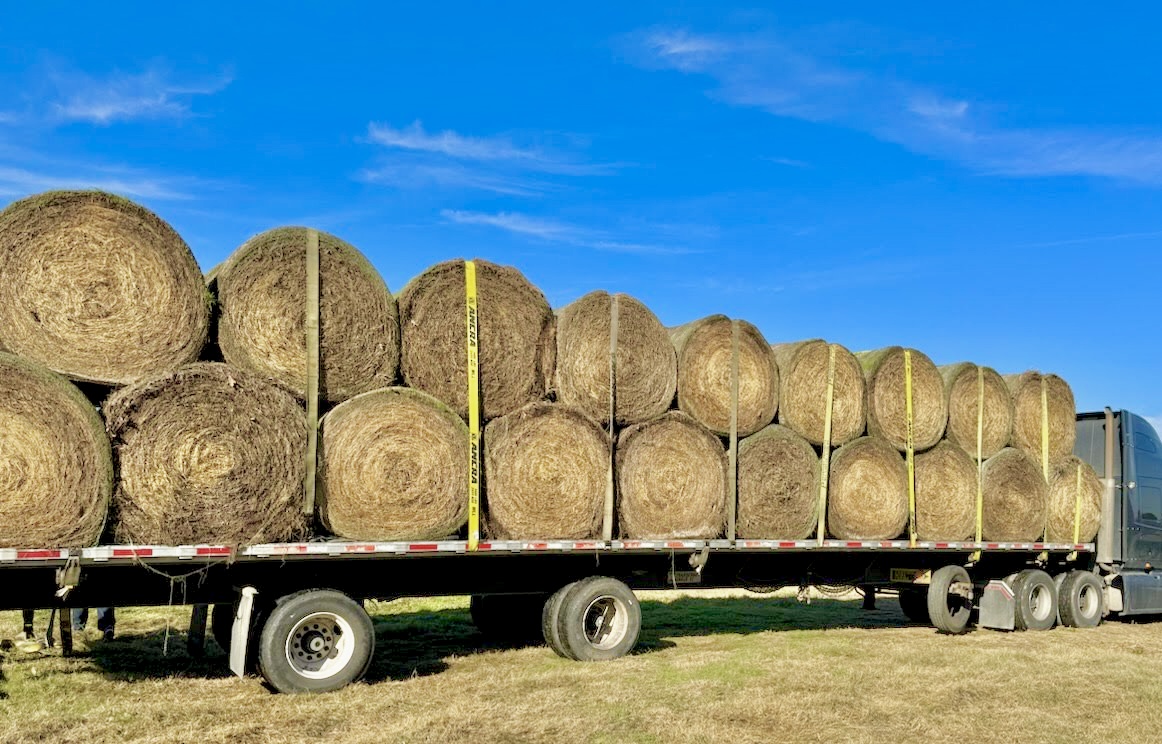
Buy Bermuda Hay in Bulk: What to Know Before Ordering Coastal Bermuda Hay
If you’re looking to buy Bermuda hay in bulk, choosing the right hay supplier can make a significant difference to your livestock feeding costs and forage management. Whether you’re purchasing hay for cattle, horses, pasture-based livestock, or a commercial agricultural operation, you need to consider forage quality, bale weight, storage, transportation, and the nutritional needs of your animals.
Coastal Bermuda hay is one of the forage options buyers may consider when they need a dependable grass hay for livestock. Mayford Hay currently lists Coastal Bermuda Hay among its hay products, alongside alfalfa and other forage options.
Browse Mayford Hay’s current hay selection to see available forage products and purchasing options.
What Is Coastal Bermuda Hay?
Coastal Bermuda is a warm-season perennial grass commonly used as forage in regions where Bermuda grass grows well. It can be harvested as hay and used as part of feeding programs for cattle, horses, and other livestock.
For buyers, the important consideration is not simply whether a bale is labeled “Bermuda hay.” The quality of the harvested forage can vary depending on growing conditions, maturity at harvest, harvesting practices, moisture, and storage.
Why Buy Bermuda Hay in Bulk?
Buying hay in bulk can make sense for livestock owners and agricultural operations that have predictable forage requirements.
A larger order can help you:
- Maintain a consistent supply of hay
- Plan your feeding requirements ahead of time
- Reduce repeated trips to purchase small quantities
- Better estimate your seasonal feed budget
- Coordinate hay deliveries with your livestock operation
- Reduce the risk of running short during periods of limited pasture availability
Before ordering several tons, however, make sure your operation has sufficient storage and equipment for handling the hay.
What Makes Good Bermuda Hay?
When you’re shopping for Bermuda hay for sale, don’t judge the product by price alone.
Important characteristics to consider include:
- Harvest maturity
- Leaf-to-stem ratio
- Color
- Aroma
- Moisture
- Presence of mold
- Foreign material
- Bale weight
- Storage conditions
- Forage analysis where available
Hay that has been properly harvested and stored can be a valuable forage resource, while poor harvesting or storage conditions can increase waste and reduce the value of the purchase.
Bermuda Hay for Cattle
Bermuda hay can be used as a forage source in cattle feeding programs when it fits the animals’ nutritional requirements and overall ration.
For cattle producers, the appropriate hay depends on factors such as animal size, age, production stage, pasture availability, and other feeds being provided.
Mayford also supplies livestock and cattle products, allowing agricultural buyers to explore forage and livestock products from the same supplier.
Explore Mayford’s cattle, hay, and agricultural products.
Bermuda Hay for Horses
Bermuda grass hay is also commonly considered by horse owners looking for a grass-based forage.
However, horse owners should evaluate the specific forage quality and their horse’s nutritional requirements before choosing any hay.
Factors such as the horse’s age, workload, body condition, health requirements, and access to other feed should all be considered when developing a feeding program.
Bermuda Hay vs. Alfalfa Hay
One of the most common questions buyers ask is whether they should purchase Bermuda hay or alfalfa hay.
The answer depends on the livestock and the purpose of the feeding program.
Alfalfa is a legume forage with a different nutritional profile from grass hay. Bermuda is a grass forage and may be preferred when a producer specifically wants a grass-based hay.
Mayford offers both types of forage. You can compare Bermuda hay with Mayford’s Alfalfa Hay and other available forage products when planning your purchase.
How Much Bermuda Hay Should You Buy?
Before placing a bulk order, estimate how much forage your livestock will require during the feeding period.
A basic planning formula is:
Number of animals × estimated daily hay consumption × number of feeding days = estimated hay requirement
For example, if 20 cattle consume an estimated 30 pounds of hay per animal per day:
20 × 30 = 600 pounds per day
For 60 days:
600 × 60 = 36,000 pounds
That’s approximately 18 tons before accounting for waste.
Actual forage consumption varies according to animal size, forage quality, pasture availability, weather, feeding system, and the rest of the ration. Use this calculation as a planning tool rather than a universal feeding recommendation.
Don’t Compare Bermuda Hay by Bale Price Alone
A bale price doesn’t tell you everything you need to know about the cost of hay.
Two bales can have substantially different weights.
When comparing suppliers, ask for:
- Average bale weight
- Bale dimensions
- Number of bales
- Total shipment weight
- Delivery cost
- Minimum order quantity
Then compare your costs by pound or ton rather than simply comparing the advertised price of individual bales.
Buying Bermuda Hay by the Ton
For larger livestock operations, buying hay by the ton can make budgeting easier.
When requesting a bulk quote, give the supplier as much information as possible, including the approximate number of tons required, preferred bale format, delivery location, and desired delivery timeframe.
This allows the supplier to provide a more useful quotation than simply asking, “How much is a bale of hay?”
How to Store Bermuda Hay
Proper storage is essential after your hay arrives.
Whenever possible:
- Protect hay from rain and excessive moisture
- Keep hay away from standing water
- Minimize direct ground contact
- Provide suitable ventilation
- Inspect stored hay regularly
Poor storage can increase spoilage and waste, which effectively raises the amount you paid for every usable pound of forage.
What to Ask Before Ordering Bermuda Hay
Before placing a large order, ask your hay supplier:
- What is the average bale weight?
- What bale sizes are available?
- How was the hay harvested?
- When was it harvested?
- How has it been stored?
- Is forage analysis available?
- What is the minimum order?
- What is the delivered price?
- How quickly can the hay be delivered?
- Is additional hay available if I need to reorder?
Why Buy Bermuda Hay From Mayford?
Mayford Hay supplies agricultural products including hay, alfalfa, cattle, feed, and fertilizer. Its current catalog specifically lists Coastal Bermuda Hay among its products.
If you’re comparing Coastal Bermuda hay for sale, you can start by reviewing Mayford’s current product catalog and then contact the company about your required quantity and delivery requirements.
Browse Mayford Hay’s products to explore Coastal Bermuda Hay and other available agricultural products.
Ready to Buy Bermuda Hay in Bulk?
If you know approximately how much hay you need, the next step is to request pricing and availability based on your actual requirements.
Have your estimated tonnage, preferred bale size, delivery location, and desired timeframe ready when contacting the supplier.
Looking for Bermuda hay in bulk? Browse Mayford Hay’s current hay selection and contact the team to discuss your order.