

Blog
How to Store Hay Properly: A Complete Guide to Protecting Hay Quality

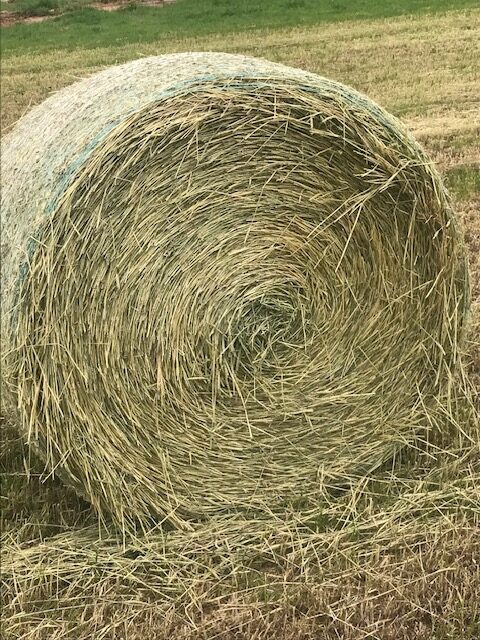
Learning how to store hay properly is essential for farmers and livestock owners who want to protect their feed investment.
Producing or purchasing quality hay is only part of the job. Once hay has been baled, poor storage can expose it to moisture, weather, pests and other conditions that reduce its usable value.
Whether you purchase Alfalfa Hay, Coastal Bermuda, Oat Hay, Wheat Hay or another forage, good storage practices can help reduce unnecessary losses.
Why Proper Hay Storage Matters
Hay is a stored feed.
Its quality can change after baling if it is exposed to unfavorable conditions.
Common storage problems include:
- Rain
- Ground moisture
- Poor ventilation
- Excessive humidity
- Sun exposure
- Pests
- Improper stacking
- Water runoff
Protecting hay from these conditions can help preserve more of the forage you paid for.
Keep Hay Off the Ground
One of the most important principles of hay storage is limiting direct contact with wet ground.
Moisture from the ground can migrate into the bottom of bales, particularly during wet seasons.
Raised surfaces, suitable flooring, pallets or well-drained storage areas can help reduce this problem.
The exact solution depends on the farm’s climate, facilities and bale type.
Protect Hay From Rain
Outdoor exposure can gradually reduce hay quality.
Repeated cycles of wetting and drying can affect the outside layers of bales and increase waste.
A suitable covered storage structure is generally preferable for long-term storage.
If outdoor storage is unavoidable, drainage, bale placement and weather protection become especially important.
Ventilation Matters
Keeping hay dry does not mean sealing it in an area with no airflow.
Adequate ventilation helps manage moisture and reduce the risk of condensation.
Large hay stacks should be arranged with appropriate consideration for airflow, accessibility and inspection.
Never Ignore Moisture
Moisture is one of the most important factors in hay storage.
Hay that is not adequately cured before baling can develop problems during storage.
When purchasing hay from a supplier, buyers should ask about harvesting, curing and storage practices.
When producing hay yourself, monitor moisture carefully before baling.
How to Stack Hay Bales
The best stacking method depends on the type of bale.
Small square bales, large square bales and round bales have different storage and handling considerations.
Regardless of bale type, a good storage arrangement should provide:
- Stability
- Drainage
- Reasonable airflow
- Equipment access
- Easy inspection
- Protection from weather
Separate Different Hay Types
If your operation uses multiple forage types, separating them can simplify inventory management.
For example, you might maintain separate areas for:
- Alfalfa Hay
- Alfalfa/Grass Mix Hay
- Brome Grass Hay
- Coastal Bermuda Hay
- Corn Stalk Hay
- Millet Hay
- Oat Hay
- Prairie/Meadow Grass Hay
- Sorghum Hay
- Wheat Hay
Mayford’s catalog currently includes these ten hay categories.
Separating products also makes it easier to allocate particular forage types to different livestock groups.
Label Your Hay Inventory
A simple inventory system can save time and money.
Record:
- Hay type
- Bale size
- Quantity
- Purchase date
- Harvest year, if available
- Storage location
- Supplier
- Intended livestock group
This becomes especially valuable for larger farms with multiple forage types.
Use Older Suitable Hay First
A first-in, first-out inventory system can help prevent suitable older hay from sitting unused while newer hay is consumed.
However, age should not be the only consideration.
Always inspect hay before feeding it.
Storage conditions and actual forage quality are more important than age alone.
Inspect Hay Regularly
Don’t wait until a bale is needed before inspecting it.
Regularly check for:
- Water damage
- Mold
- Unusual odors
- Pest activity
- Bale deterioration
- Wet areas
- Roof leaks
- Drainage problems
Early detection gives you a better chance of correcting the storage problem before it affects a large portion of your inventory.
Bale Size and Storage Capacity
Your storage system should match the size of the bales you purchase.
Mayford Hay states that it offers small bales, large bales and compressed bales, with compressed formats designed to improve transport and storage efficiency.
Before ordering, make sure you have:
- Adequate floor space
- Appropriate handling equipment
- Suitable access
- Enough roof clearance
- A safe stacking plan
Storage Starts Before You Buy
If you are purchasing large quantities of hay, ask the supplier about:
- Forage type
- Bale size
- Grade
- Harvest timing
- Storage method
- Quantity available
- Delivery arrangements
Mayford states that its hay is stored according to grade, type and bale size.
That kind of product organization can be particularly useful for buyers purchasing multiple forage varieties.
Hay Storage and Feed Costs
Storage losses directly affect the economics of livestock feeding.
If part of a bale becomes unusable, you still paid for that material.
A farm that purchases 100 tons of hay but loses a significant portion through poor storage is effectively paying more per usable ton.
Improving storage can therefore be a feed-cost management strategy.
Buying Hay in Bulk
Bulk purchasing can make sense when seasonal availability, pricing and transportation align with your operation.
But don’t purchase more hay than you can properly store.
Calculate:
- Expected consumption
- Storage capacity
- Handling capacity
- Expected losses
- Transportation
- Available cash flow
The cheapest price per bale does not necessarily produce the lowest overall cost.
Final Thoughts
Good hay storage begins with good hay and continues with proper handling.
Keep bales protected from moisture, minimize ground contact, maintain appropriate ventilation, organize inventory and inspect stored forage regularly.
Mayford Hay offers a wide selection of forage products, including Coastal Bermuda Hay and other hay varieties through its complete product catalog.
Whether you are storing hay for cattle, horses or another livestock operation, protecting your forage investment is one of the simplest ways to reduce waste and maintain feed quality.